
Home cardio starts with the room, not the catalogue
A treadmill and an exercise bike can both support regular movement at home. The better first question is not which machine looks more serious, but what the room can take: floor space, ceiling height, the neighbours below, and whether you will actually use a machine that cannot be folded away. This is a practical guide to choosing between those two, and to keeping recovery gadgets in their proper place. Nothing here is a product review, and nothing here should be read as clinical advice.
What a treadmill is actually asking of the floor
A treadmill needs a stable, level floor, clearance behind the belt, and a clear path to the safety key. Walking is quieter than running, but both send vibration through a condo slab. If you live above someone, try a walking pace first and speak to your management about quiet hours. A range of indoor running machines will list features such as fold, incline, and motor size; those matter less than whether you have a wall to place the machine against and a socket that does not trail a cable across the room.
The World Health Organization’s fact sheet on physical activity still frames the goal for most adults as regular moderate activity across the week, not a daily sprint. A treadmill that you walk on several times a week will do more than a heavier model that becomes a clothes rack.
A beginner’s walkthrough of starting, slowing, and stopping a treadmill safely, including the safety key.
When an exercise bike is the quieter fit
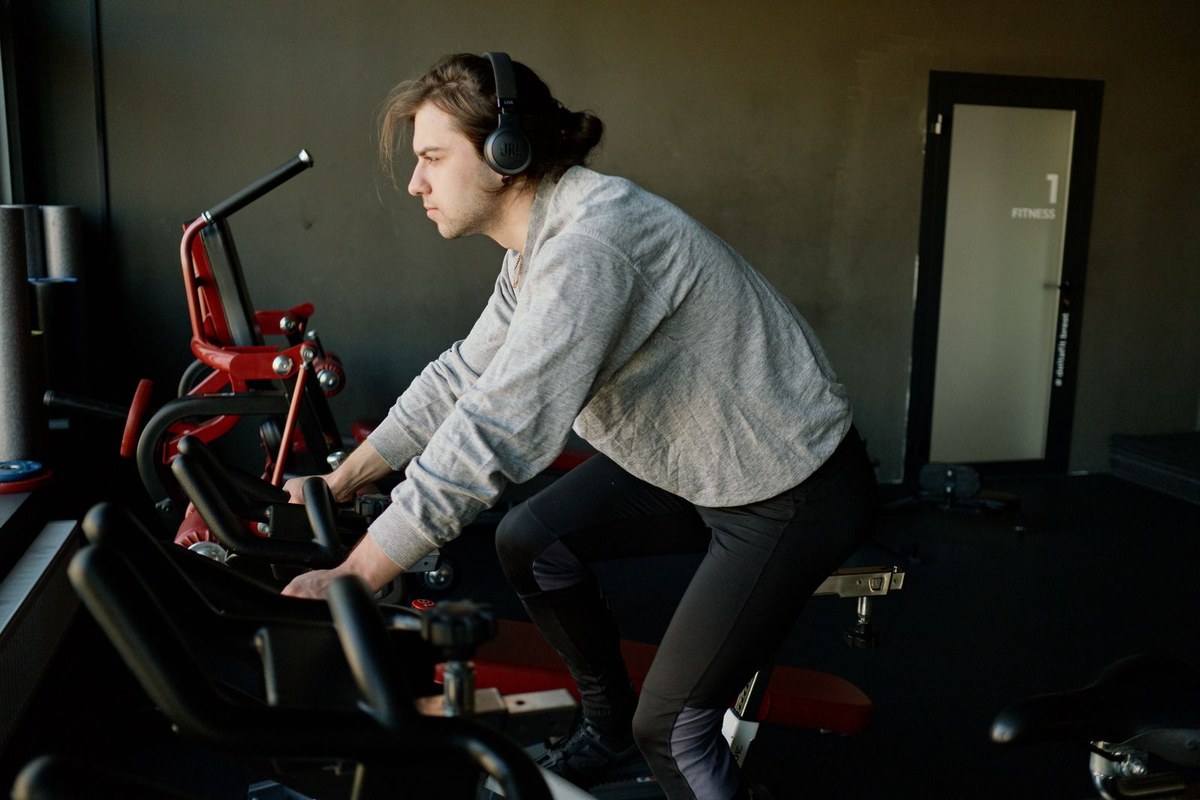
A bike usually asks for less floor space and sends less impact through the joints and the floor. It is often the better fit in a small apartment, or if walking or running feels uncomfortable. Seat height, handlebar reach, and a stable frame matter more than a long list of programmes. Look at the Zero Healthcare indoor bike page with that filter: can you get on and off safely, and can you sit upright without your knees hitting the console? If you can try a floor model, spend a few quiet minutes on it, not a ten-second perch, and check the stated user weight against everyone in the household who might ride.
Spin-style bikes feel more aggressive; upright or recumbent bikes are usually easier for longer, easier sessions. Neither replaces outdoor movement, but either can keep a habit going on a rainy evening.
Eye massagers are comfort tools, not treatment
After a long stretch of screen work, a warm, gently vibrating eye mask can feel pleasant. That is a comfort use. Malaysia’s Medical Device Authority explains, on its product classification page, that whether a product is a medical device under the Medical Device Act 2012 depends on its intended use, not on how it is marketed in a brochure. An eye massager sold for general relaxation should not be treated as treatment for an eye disease, a headache, or a sleep disorder.
The American Academy of Ophthalmology’s advice on computer use and the eyes still starts with ordinary habits: look away from the screen at intervals, blink, and fix the lighting. A page of portable eye-massage devices is optional after that, not a substitute for it. If your vision changes, or the eyes are painful or very dry, see a qualified eye-care professional instead of turning up the device.
A practical filter before anything is delivered
Measure the space, including the door and the lift, and confirm that a folded unit will still stand without blocking a walkway. Check the warranty, spare parts, and who will install the machine. Ask about noise, power use, and what happens if a part fails in the first year. For any massager, read the intended-use statement and the warnings, and keep it away from children. Then try the habit for a week on a mat or a walk before you buy the larger machine. The equipment only works if the room, and your week, can absorb it.